
Engineering support closes the gap between a drawing and a buildable tool. Bring your questions before the RFQ is finalized – changes at this stage cost the least.
DFM Analysis
Draft angles, wall thickness, rib design, gate location and ejection are reviewed against mouldability and lifetime cost, with findings returned as clear, actionable comments.
Moldflow Analysis
Filling, packing, warpage and weld-line behavior can be simulated before steel is cut, to de-risk part and gate decisions.
File Formats We Accept
STEP and IGES for 3D data, DWG/DXF for 2D drawings, plus common native CAD formats – send what you have and we confirm readability.
Material Selection Guide
| Material | Typical Use |
|---|---|
| ABS | Housings, covers, consumer parts |
| PP | Living hinges, containers, automotive clips |
| PC | Transparent and impact-resistant parts |
| PA6 / PA66-GF | Structural and heat-exposed components |
| POM | Gears, sliding and precision mechanisms |
| PMMA | Lenses and light-diffusing parts |
| TPE / TPU | Soft-touch and overmolded surfaces |
Material choice is confirmed against your application, regulatory needs and volume – recommendations are always checked before quotation.
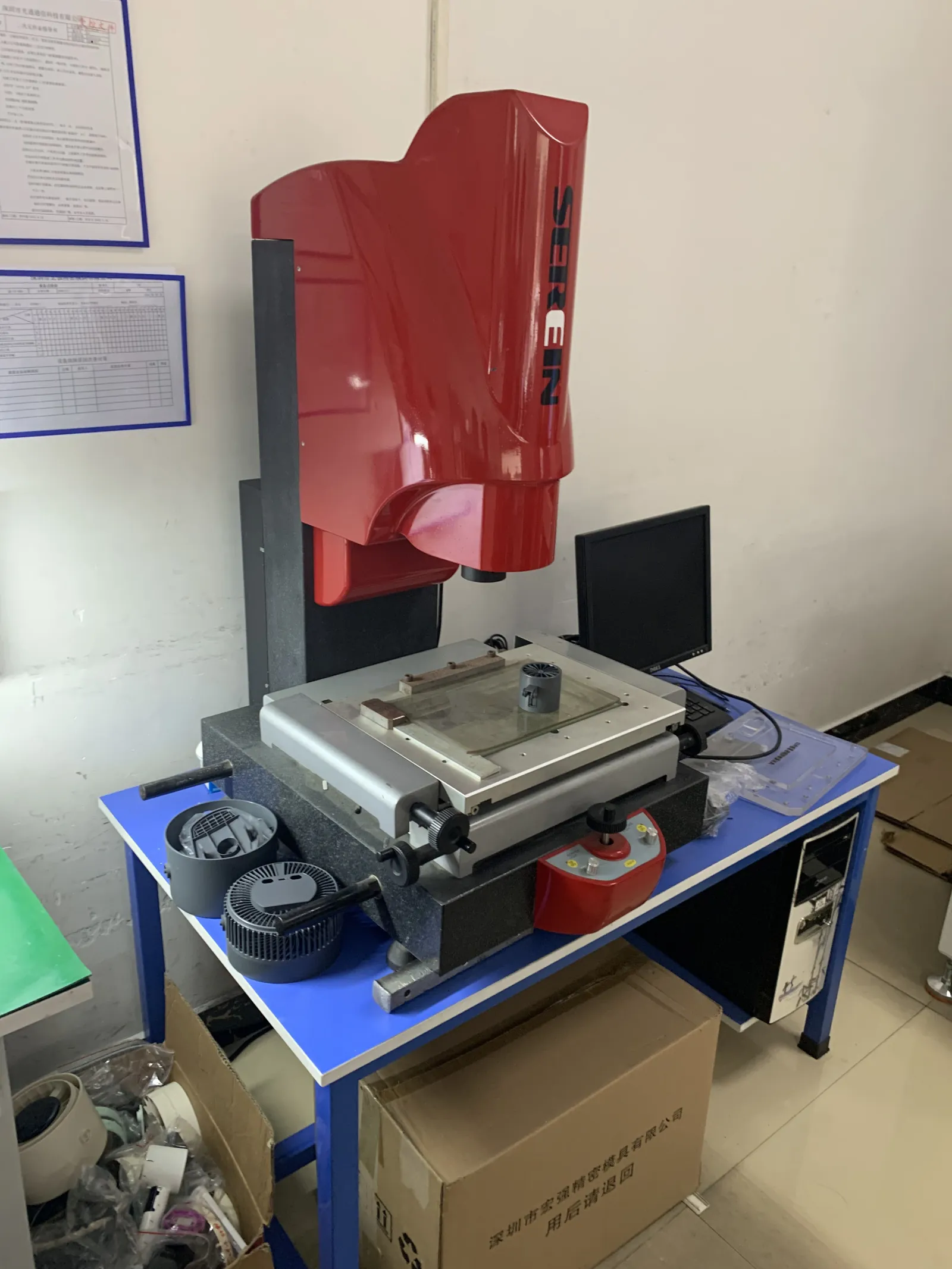
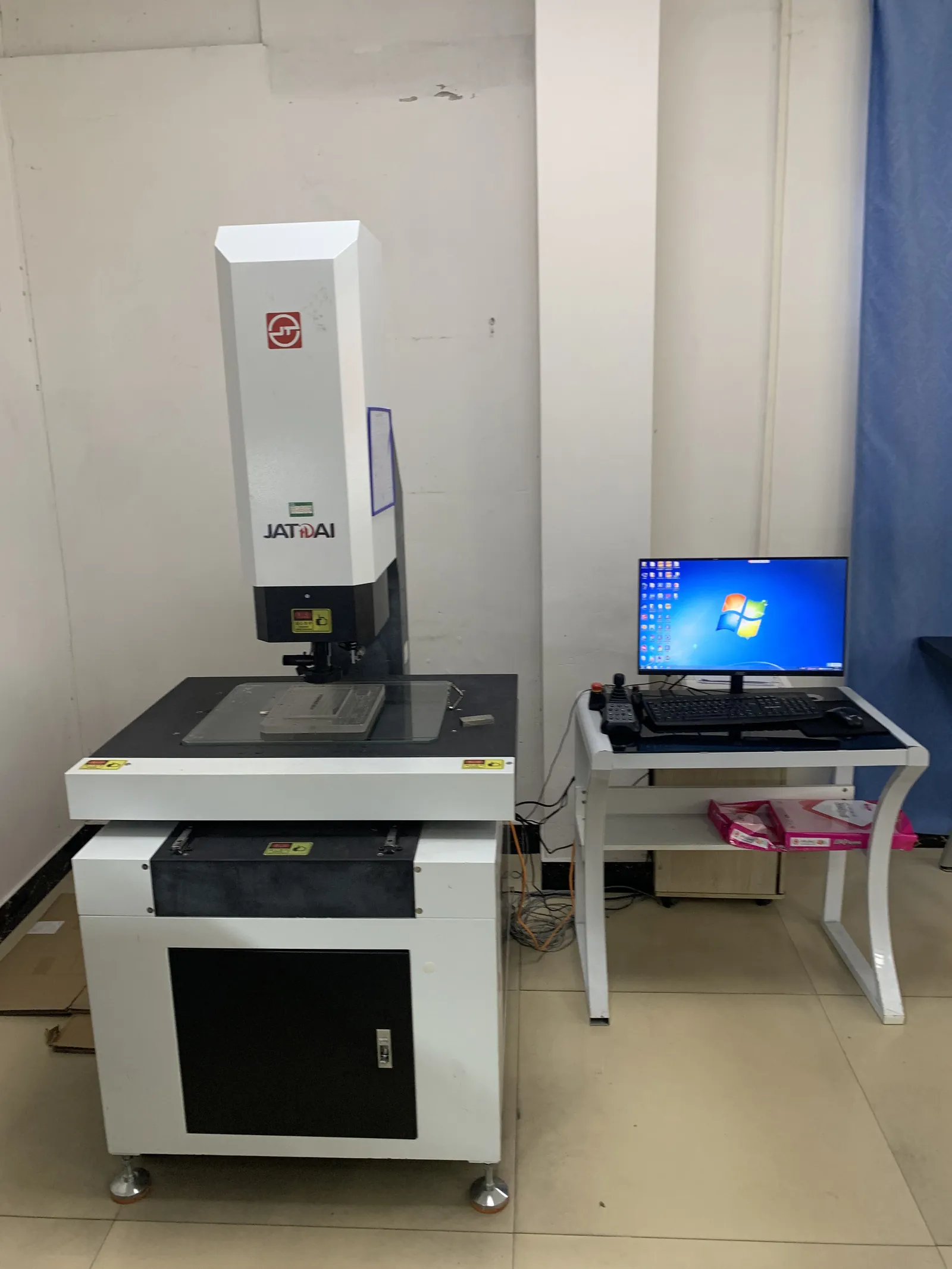
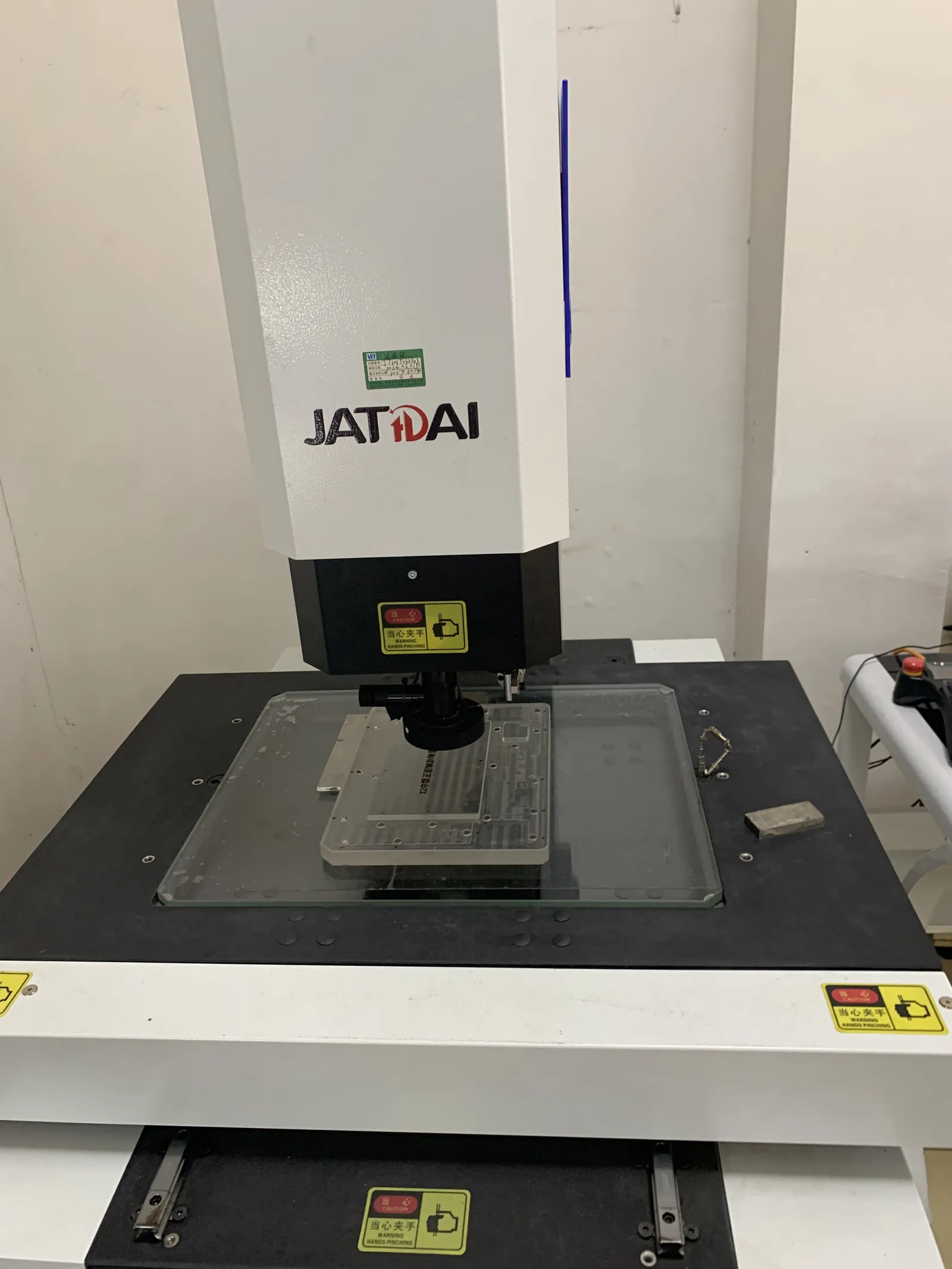
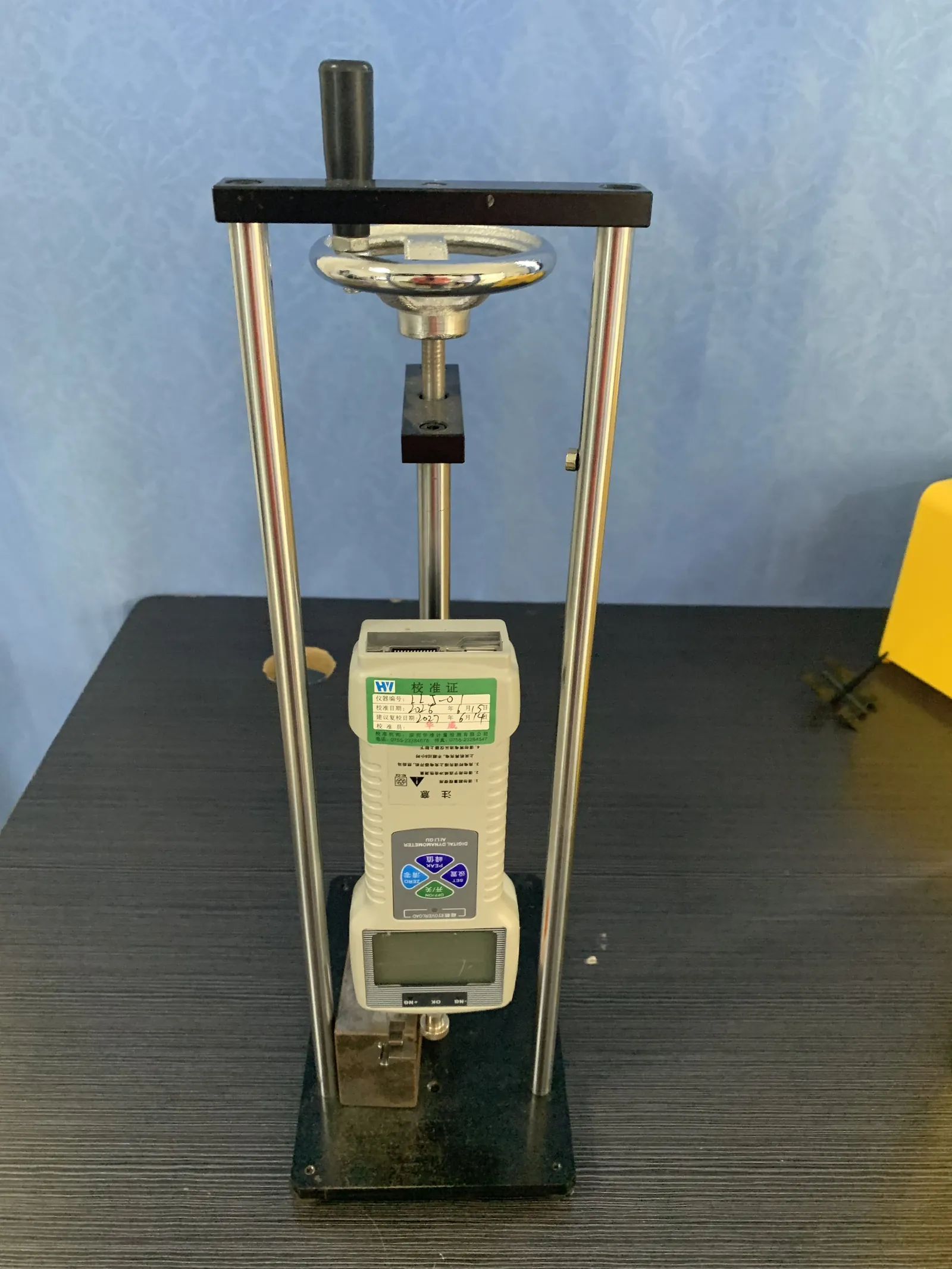
Measurement & Testing Equipment
Related reading: DFM, texture and press sizing
Three engineering decisions sit upstream of every tool we cut: whether a flow study is worth its own line item in the quote, how much draft a grained wall really needs, and which press the mould will run in. Our engineering notes take each one in turn: when mold flow analysis earns its own line item in a mould RFQ, how texture depth sets the draft angle, at 1° per 0.0125 mm of grain, and why projected area, not part weight, decides press tonnage.
Frequently asked questions
What does engineering support review before steel is cut? Draft angles, wall thickness, rib design, gate location and ejection are reviewed against mouldability and lifetime cost, with findings returned as clear, actionable comments. Filling, packing, warpage and weld-line behaviour can be simulated before steel is cut.
Which CAD files can I send? STEP and IGES for 3D data, DWG/DXF for 2D drawings, plus common native CAD formats. Send what you have and readability is confirmed before quotation.
When should engineering questions be raised? Before the RFQ is finalised, because changes at this stage cost the least. Material choice is confirmed against your application, regulatory needs and volume, and recommendations are always checked before quotation.