
Latest posts
-
Moulds Burn Parts at the Last Point to Fill — the Fix Is a 0.02 mm Groove (5 Published Vent Specs Compared)
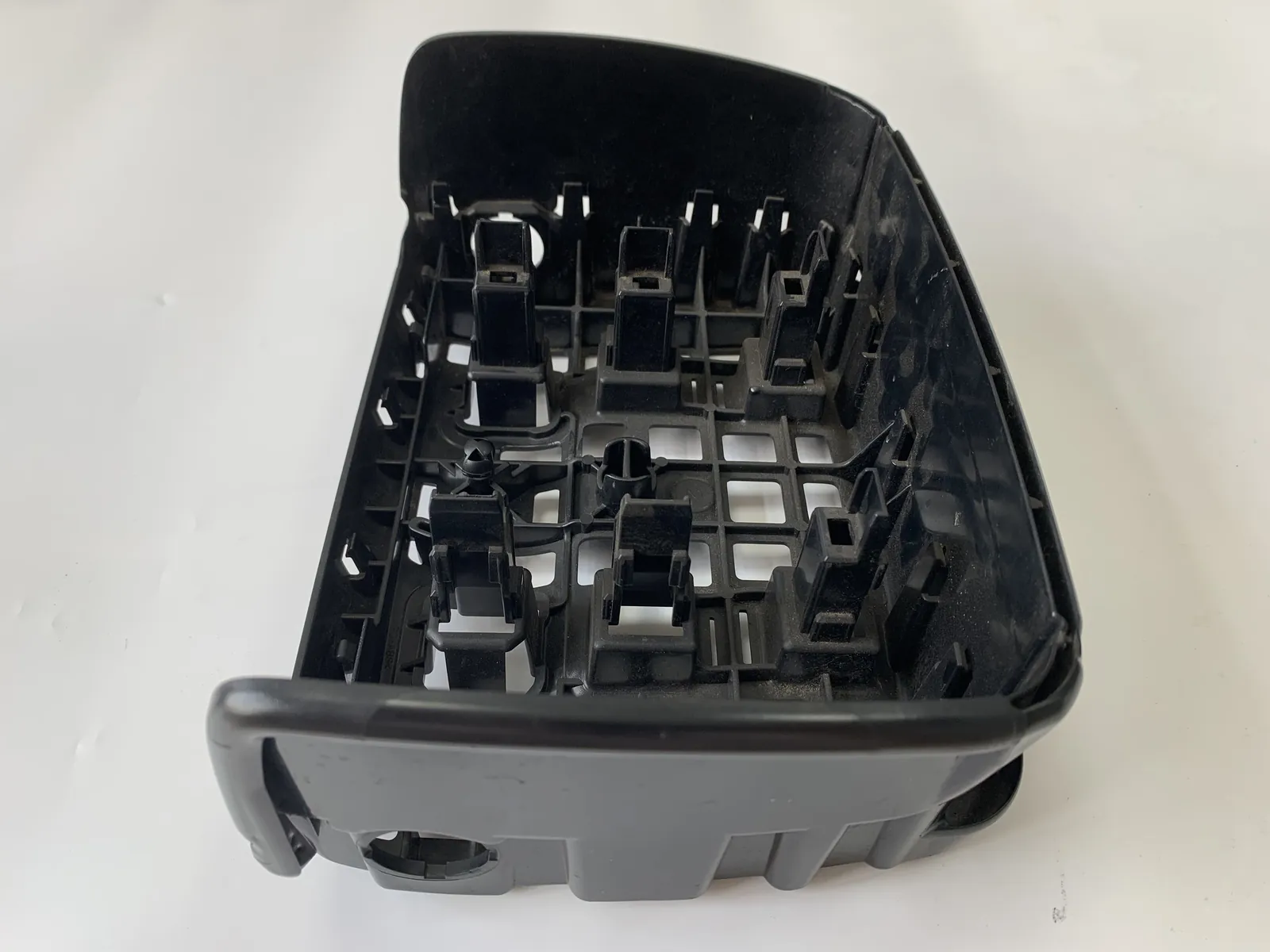
We help buyers release a tool that fills clean on the first trial. Burn marks trace back to one point — the last place to fill, where trapped air has nowhere left to go. DuPont caps its vent land at 0.012–0.020 mm for PA, PBT and PET, so depth follows the resin before the part.
-
A Stored Mould Rusts From Condensation, Not From Time: 5 Restart Checks Before the First Shot (ISO 8502-4)
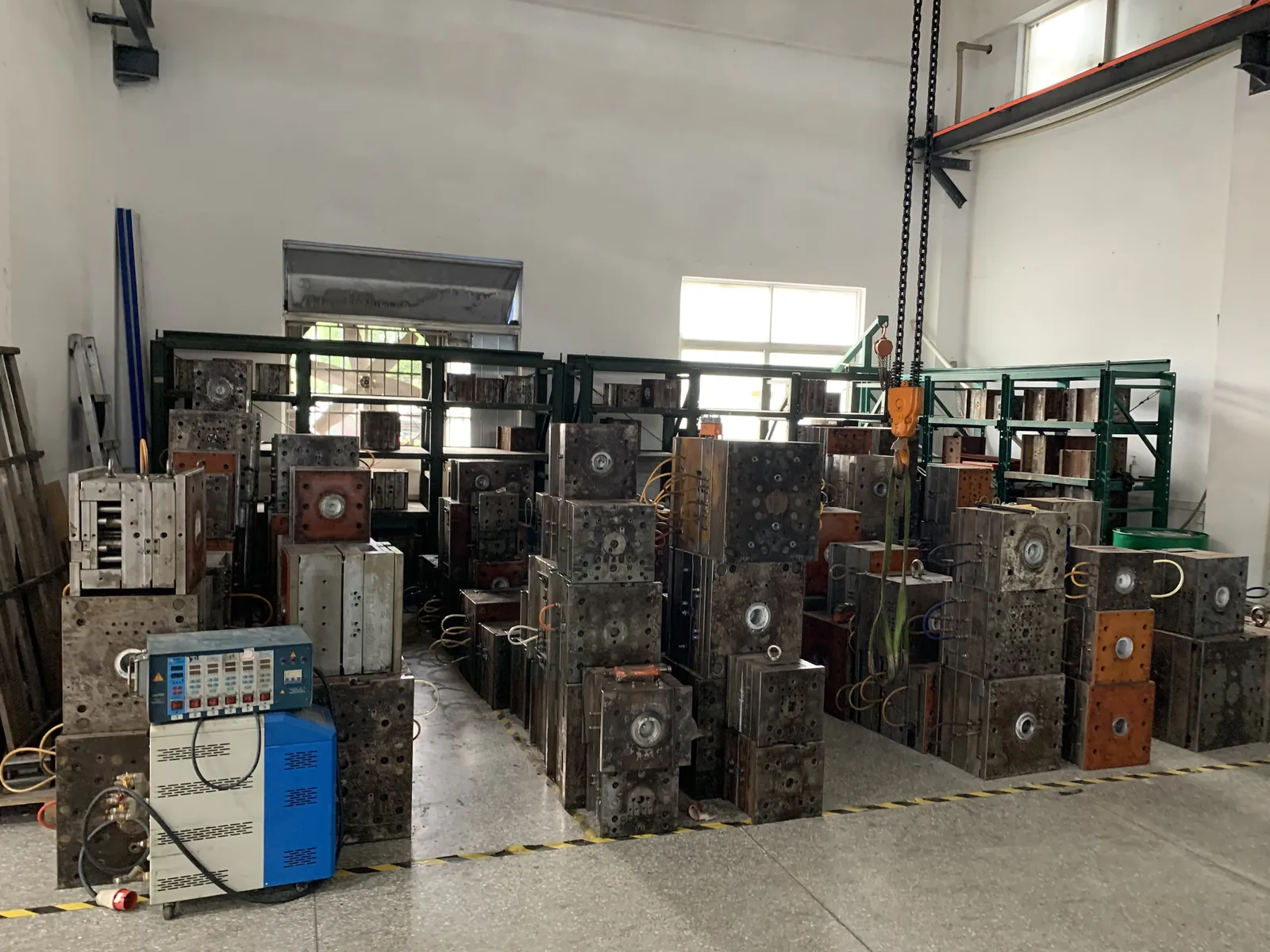
We help buyers keep tooling production-ready between runs. A mould that leaves the press warm and parks in cool, humid air condenses water on its own steel — dew point, not calendar time, sets the schedule. ISO 8502-4’s 3 °C margin shows when, and five restart checks decide whether the first shot after storage is…
-
A “Pass” on the Inspection Report Is a Sampling Decision, Not Zero Defects (80-Piece Sample, ISO 2859-1)
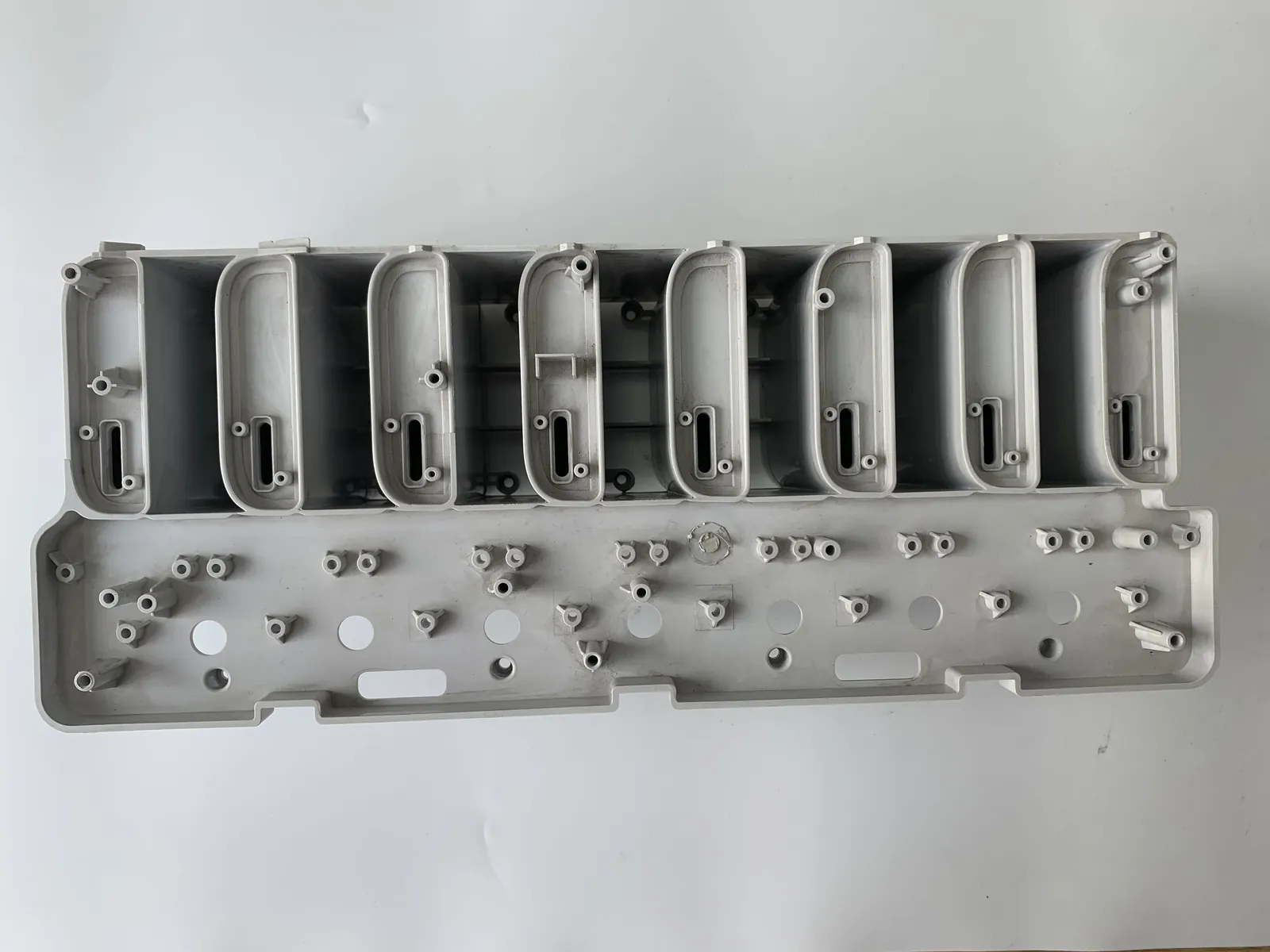
We help export buyers turn drawings into approved, repeatable moulded parts. Under ISO 2859-1, an 80-piece sample from a 501–1,200-piece lot still accepts 2 defectives at AQL 1.0 — a pass is a sampling decision, not a zero-defect claim. Here is which check proves what, and what to write into your RFQ.
-
Press Tonnage Is Decided by Projected Area, Not Part Weight (11 Presses, 80–450 T)
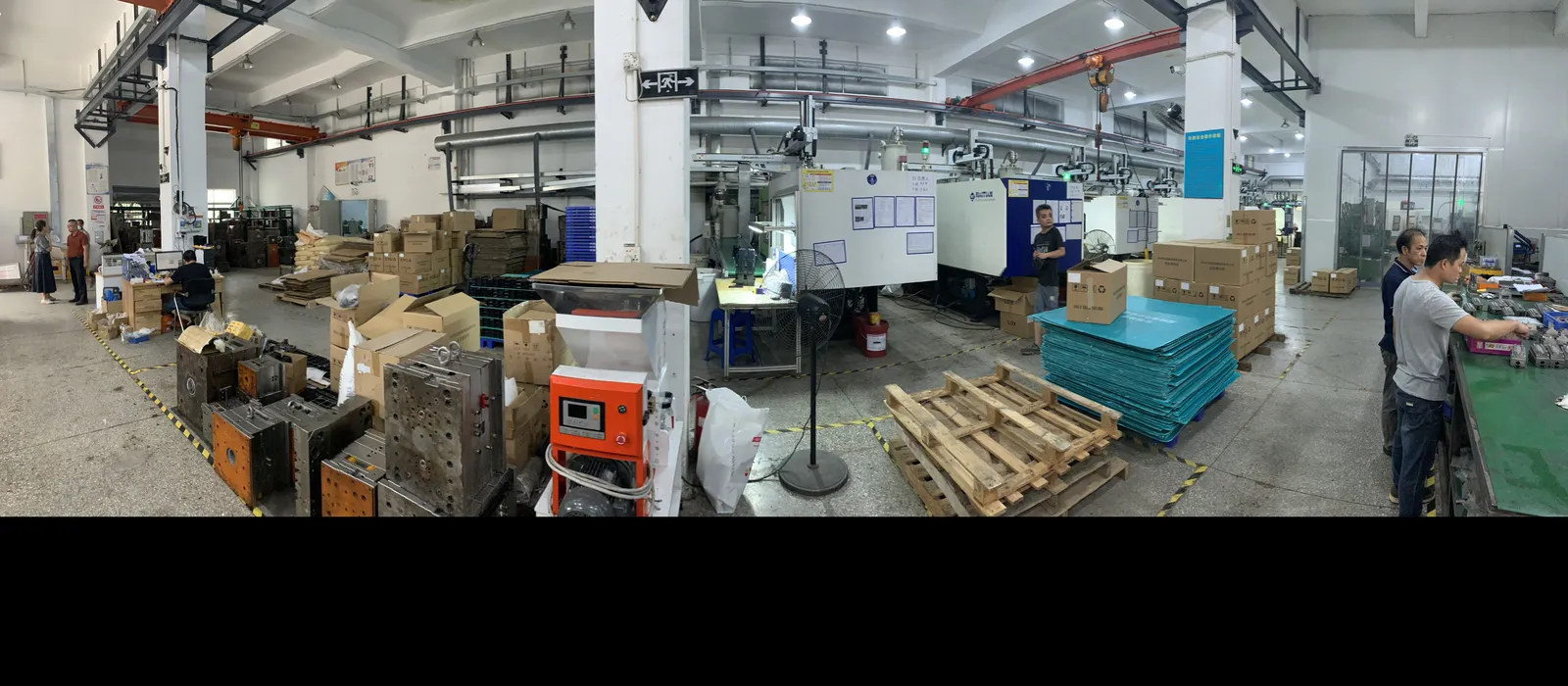
Clamp force follows projected area × cavity pressure — not part weight. How our 11-press shop (80–450 T) sorts a part into a machine.
-
Glass-Filled and Recycled Resins Wear the Wrong Steel First (3 Wear Mechanisms, 5 Steel Families)
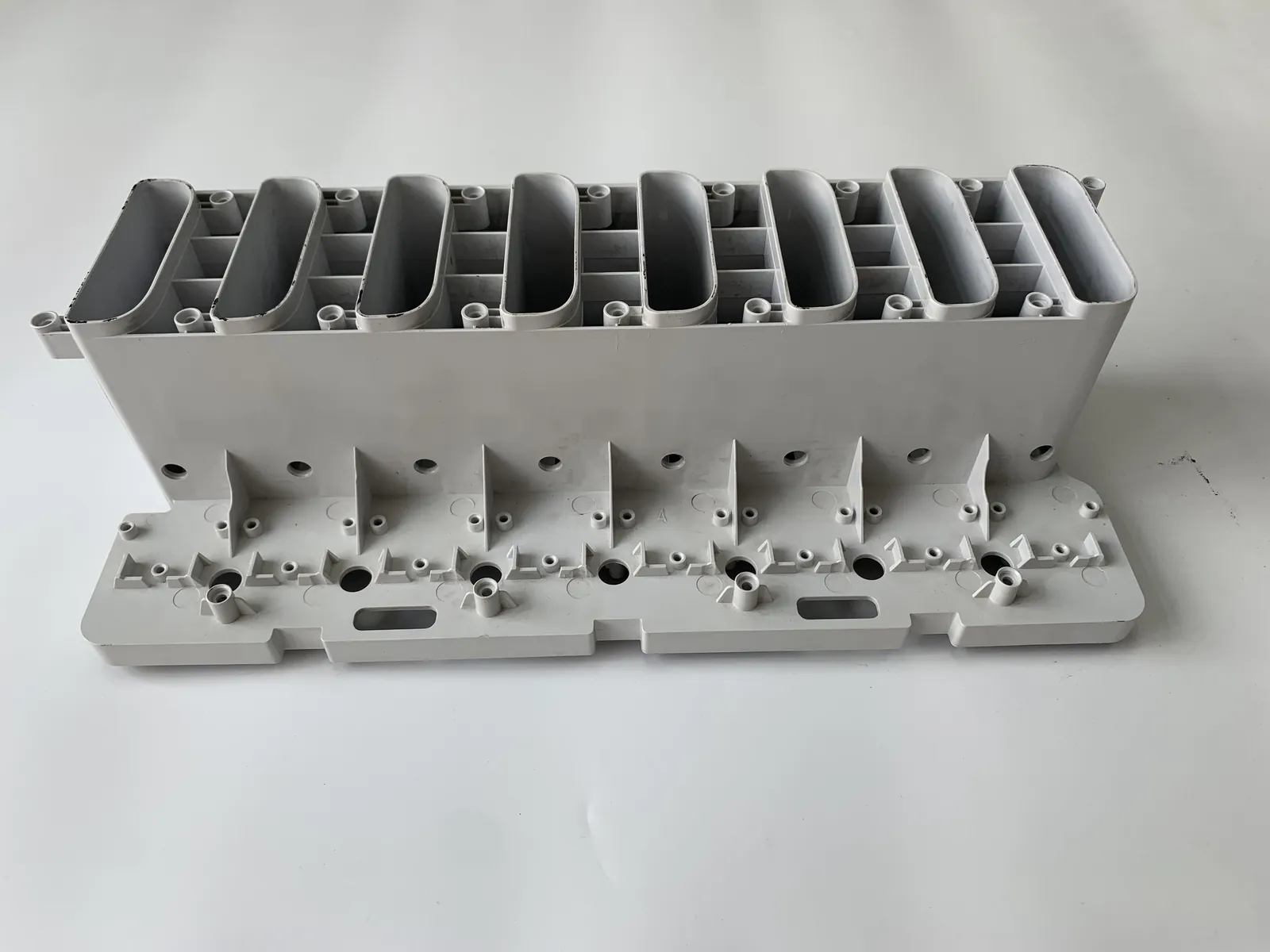
The resin brief decides the steel, not the catalogue. Glass-filled grades cut at gates and shut-offs, recycled content adds corrosion and thermal load, and each failure points to a different steel family. Name four inputs — grade, filler percentage, PCR share, annual volume — and the grade follows from evidence instead of habit.